
Decks
Building a Backyard Deck in Canada
From permit applications to frost-resistant footings and pressure-treated lumber selection — what changes when you build in a Canadian climate.
Read articlePractical guidance on planning, building and maintaining outdoor living spaces that hold up through freeze-thaw cycles, heavy snow loads and the full range of Canadian seasons.
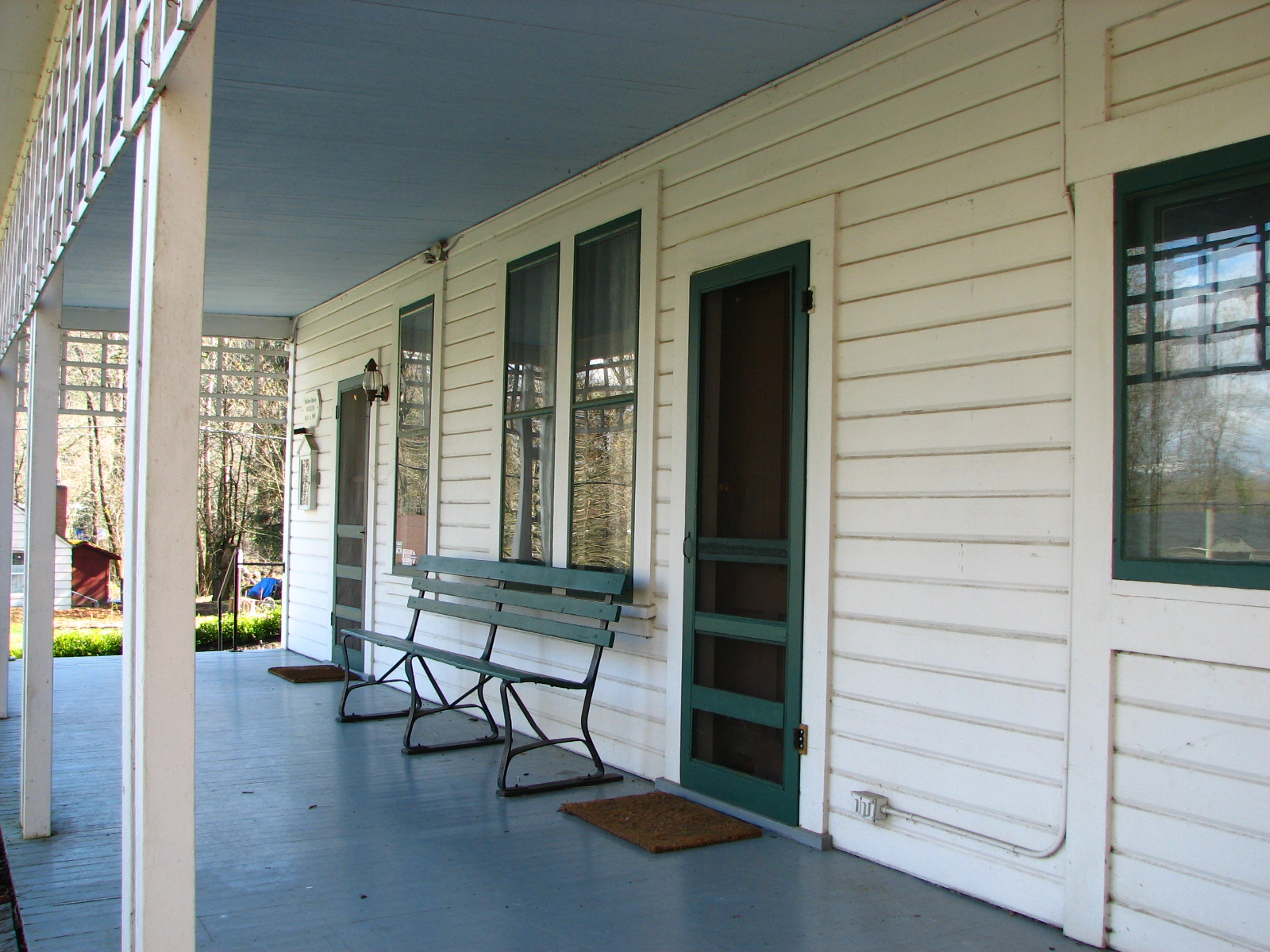
Each article covers the practical details specific to Canadian construction standards, material selection for cold climates and permit requirements.
From permit applications to frost-resistant footings and pressure-treated lumber selection — what changes when you build in a Canadian climate.
Read article
Structural considerations, roof pitch for snow shedding, and material choices for a covered porch that stays dry and sound year after year.
Read article
Choosing the right base depth for frost heave prevention, flagstone versus poured concrete, and drainage planning for Canadian freeze-thaw conditions.
Read articleIn most Canadian provinces, frost lines extend 1.2 to 2.4 metres below grade. Footings that stop short of this depth will heave and shift as the ground freezes and thaws each season.
The National Building Code of Canada specifies ground snow loads by region. Structures attached to or adjacent to a home must account for accumulated snow weight in the structural design.
Wood species that perform well in humid Pacific coastal conditions differ from those suited to the dry Prairie winters or the wet-cold Ontario climate. Matching material to region reduces long-term maintenance.
Outdoor construction in Canada falls under the National Building Code of Canada and provincial amendments. Permit requirements, setback distances and structural specifications vary by municipality.
Most municipalities require a building permit for any deck, porch or patio structure above a certain size or height. Thresholds vary — typically decks over 600 mm above grade or attached to the dwelling require a permit. Contact your local building department before starting.
Each province adopts the NBC with amendments. British Columbia, Ontario, Quebec and Alberta each publish their own building codes that override portions of the federal baseline. Always check the current edition in force in your province.
Canada spans multiple climate zones from the temperate Pacific coast to the continental Prairie interior and humid Atlantic seaboard. Design decisions — insulation, drainage, wood species — should reflect the specific climate zone of the construction site.