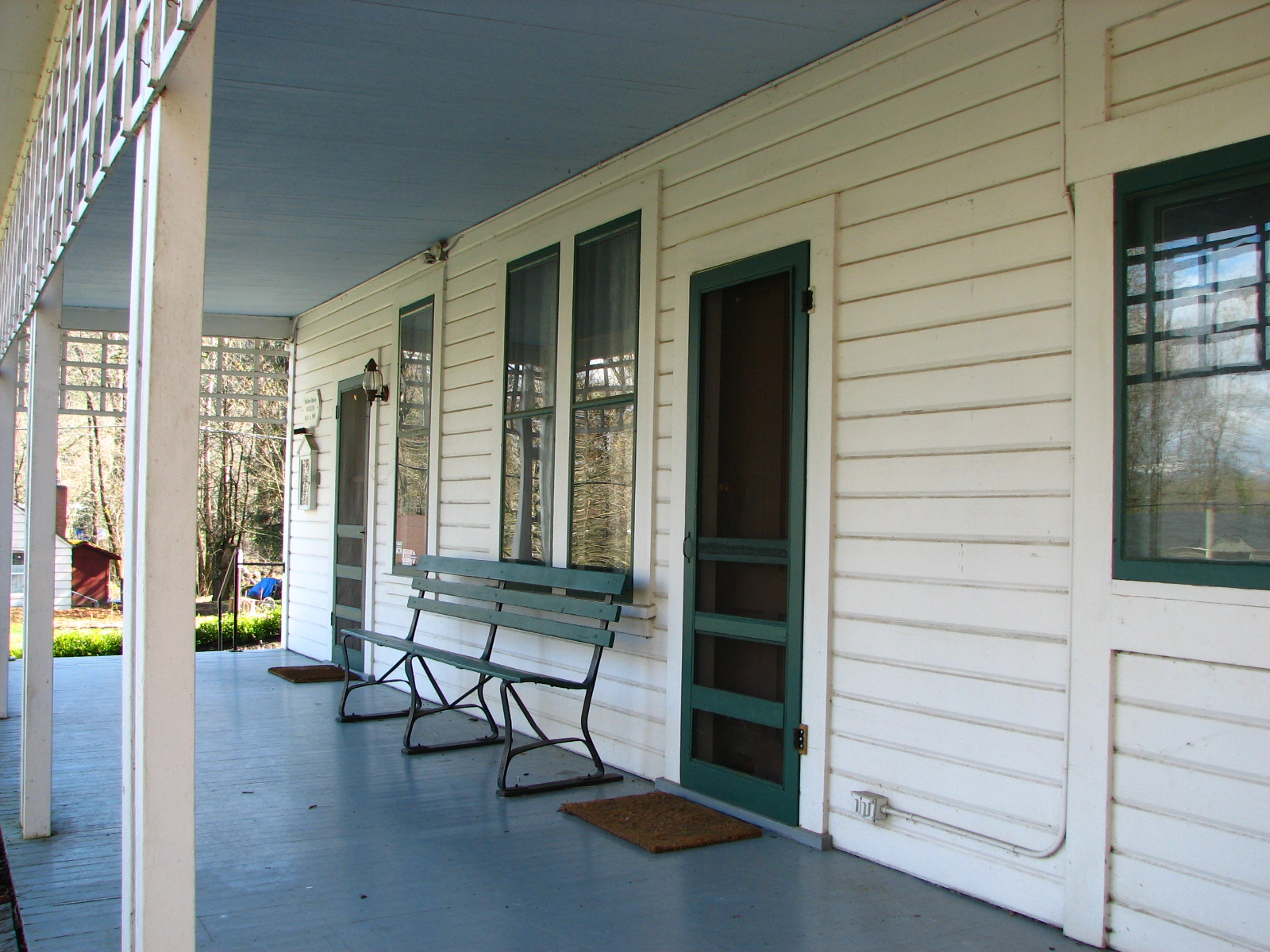
What Makes a Covered Porch Different from a Deck
A covered porch adds a roof structure over an outdoor floor platform. In the Canadian context, that roof is a structural element that must support snow loads, shed water from rain and spring snowmelt, and remain weather-tight at its connection points to the main house wall. The floor platform beneath it shares many design requirements with an open deck — frost footings, structural framing, appropriate lumber — but the overhead structure adds significant complexity and, in most municipalities, triggers a more thorough permit review.
Covered porches also interact with the thermal envelope of the house in ways that open decks do not. Where a porch roof meets the house wall or roof, flashing details become critical to preventing water intrusion into the wall assembly. A poorly flashed porch-to-house connection is one of the more common sources of rot and moisture damage in residential construction across all Canadian climate zones.
Roof Pitch and Snow Shedding
The slope of a porch roof determines where snow goes and how quickly it leaves the roof surface. This has direct implications for structural loading and for the safety of anyone using the porch below during or after a snowfall.
Minimum Pitch Requirements
Roofing materials each have a minimum pitch at which they can function without leaking. Asphalt shingles — the most common residential roofing material in Canada — generally require a minimum slope of 1:3 (about 18 degrees) for standard installation, though low-slope applications with additional underlayment can extend this to somewhat flatter pitches. Metal roofing panels can be used at lower pitches than shingles, and for porch roofs in high-snowfall areas, metal roofing has the additional advantage of allowing accumulated snow to slide off the surface more readily once it begins to melt.
The National Building Code of Canada sets out minimum roof slope requirements by material type, and these are incorporated by reference into provincial codes.
Where Does the Snow Land?
A steeply pitched porch roof will shed snow more readily than a shallow one, but the snow has to go somewhere. Where a porch roof eave overhangs a walkway, a driveway or a planting bed, a significant volume of snow can come off the roof rapidly during a melt event or when disturbed by wind. Designing the overhang length and the layout of the porch so that snow sheds to a safe, low-traffic area is worth considering at the planning stage rather than after construction.
Snow guards — mechanical devices that slow the release of snow from metal and other slippery roof surfaces — are used on porch and veranda roofs where the shed-snow zone is a doorway or high-traffic area. They are more common in mountain communities and areas of Quebec and Ontario with high annual snowfall.
Structural Connection to the House
The way a covered porch connects to the main dwelling determines both its structural behaviour and its long-term moisture performance. There are two broad approaches: the porch can be structurally independent (freestanding), or it can share a load path with the house wall or roof structure.
Freestanding vs Attached
A freestanding porch structure — one with its own columns carrying all vertical loads to its own footings, with the roof only loosely tied to the house for lateral stability — is simpler from a moisture management standpoint because there are fewer penetrations of the house wall. However, it requires more footings, more framing members and a longer span across the structure. In high-wind areas, a freestanding structure also needs to be designed for uplift and lateral wind loads independently of the house.
An attached porch shares its rear beam or rafter tie with the house wall, reducing the required number of columns but creating the ledger-type connection that must be carefully flashed. This is the more common approach for residential additions.
Flashing at the House Wall
Where a porch roof meets the house wall, flashing must direct water away from the wall assembly and toward the exterior. This typically involves step flashing along the sloped roof-wall junction, counter flashing let into a mortar joint or a saw kerf in the cladding above, and a continuous sill flashing at the base of any wall-mounted ledger. The specific flashing detail depends on the house's cladding material — vinyl, wood, fibre cement, brick or stone each require a somewhat different approach.
Where a porch roof is added to an existing house, the interface between the new porch roof and the existing eave or wall is the area most likely to develop problems if not detailed correctly. If the existing eave cannot be easily modified to receive the new roof, a separate, lower porch roof that drains away from the house is sometimes a simpler long-term solution.
Columns, Railings and Floor Structure
Porch columns carry the roof load to the floor framing and ultimately to the footings. In Canada, wood columns used outdoors require treatment or the use of naturally durable species — cedar, redwood in the west — because moisture at the column base, particularly where a column sits close to the porch floor, creates conditions favourable to decay.
Column bases that allow water to pool at the foot of the column accelerate deterioration. Post base hardware that lifts the column off the deck surface by 25 to 50 mm allows air circulation and prevents wicking. This detail is small but has significant long-term implications for column lifespan.
Railing Requirements
Canadian building codes specify railing heights and baluster spacing based on the floor height above grade. Porches that are more than 600 mm above grade typically require guardrails on open sides. The minimum height of the guardrail and the maximum gap between balusters are set out in the NBC and provincial equivalents, with particular attention to preventing children from passing through or becoming trapped.
Materials for the Canadian Context
Material selection for a covered porch involves the same considerations as an open deck but with additional factors introduced by the roof structure. Porch floor surfaces benefit from good drainage slope — typically 3 mm per 300 mm (1%) toward the open edge — to prevent water pooling on the floor surface. This slope must be built into the framing, not just the decking material, to be effective.
Painted wood for porch columns and trim is traditional in Canadian residential construction and can be durable if maintained and if the underlying wood is properly primed and any joint at grade-level is designed to shed water rather than hold it. PVC trim products eliminate some of the maintenance burden but can behave differently than wood in very cold temperatures and have different fastening requirements.
Permit and Code Considerations
A covered porch almost universally requires a building permit in Canadian municipalities because it involves both structural work and a roofing component. The application will typically require structural drawings, a site plan showing the addition's relationship to property lines, and information about the roof system including the roofing material and expected snow and rain loads. In some municipalities, an engineer's stamp is required for the structural drawings when the addition exceeds a certain span or when it is attached to an older house whose existing structure has not been assessed.
Homeowners' associations in some communities also have their own review processes for exterior additions; these run parallel to the municipal permit process and should be initiated at the same time rather than sequentially.